
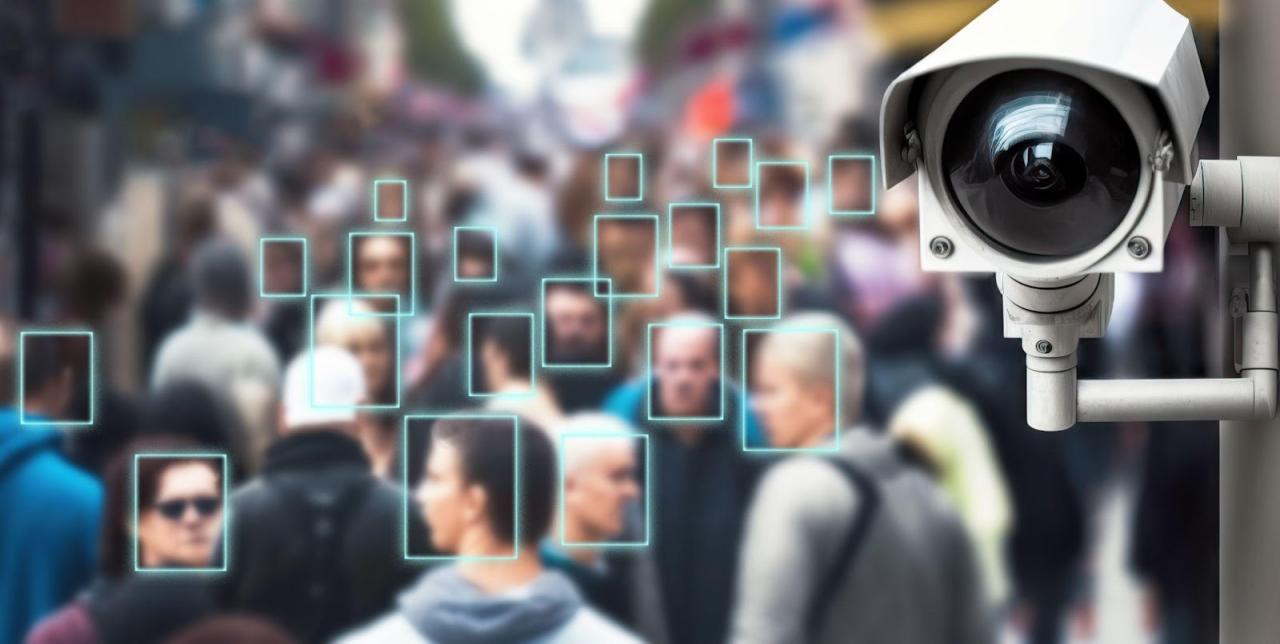
The integration of Artificial Intelligence (AI) with law enforcement technology has reached a critical inflection point. What was once considered a dystopian taboo reserved for science fiction is now being tested on the streets of Canada and the United Kingdom. The advent of Facial Recognition Body Cameras Pilot programs represents a paradigm shift in public safety, promising to identify dangerous offenders in seconds. However, as these trials expand from Edmonton to London, they bring forth a complex web of ethical dilemmas, privacy concerns, and technical fallibilities.
This comprehensive article rewrites and expands upon the current landscape of facial recognition technology (FRT) in policing. We will dissect the specific pilots occurring in Edmonton, Canada, and London, UK, analyze the starkly different public reactions, explore the technical limitations, and project the future of surveillance technology in democratic societies.
The Edmonton Pilot: A Laboratory in the Cold
In December 2025, the Edmonton Police Service (EPS) activated a switch that made North American policing history. For the first time, body-worn cameras equipped with real-time facial recognition capabilities were strapped to the chests of 50 patrol officers . This marked a significant departure from the status quo, particularly for Axon Enterprise Inc., the Arizona-based manufacturer of Tasers and body cameras that had, in 2019, explicitly shunned the technology due to “serious ethical concerns.”
The Mechanics of the Trial
The Edmonton pilot is hyper-targeted. The AI system is trained exclusively on a “high-risk” watch list containing approximately 7,065 individuals . This database is split into two specific categories:
-
High-Risk Flags: 6,341 individuals categorized as violent, assaultive, armed and dangerous, escape risks, or high-risk offenders based on prior interactions.
-
Serious Warrants: 724 individuals currently subject to arrest warrants for major crimes such as murder, aggravated assault, and robbery .
Crucially, the EPS has implemented a “human-in-the-loop” safeguard for this proof-of-concept phase. Officers wearing the cameras do not receive immediate, real-time alerts if the AI detects a match. Instead, the footage is recorded, and the facial recognition analysis runs in the background. Only after the shift concludes do trained officers review the footage to verify the accuracy of any matches . This deliberate delay allows the service to test the error rates of the software against real-world conditions specifically Edmonton’s harsh winter environment, which includes low-angle sunlight, deep shadows, and extreme cold without risking a wrongful arrest based on a false positive.
The Privacy Commissioner Conflict
Despite the safeguards, the rollout has been legally contentious. Diane McLeod, Alberta’s Information and Privacy Commissioner, publicly stated that the EPS did not have her approval prior to flipping the switch. While police submitted a Privacy Impact Assessment (PIA) on December 2, 2025, they initiated the field testing immediately .
The EPS argues that under Section 7 of Alberta’s privacy regulations, they are only required to submit an assessment; they are not legally obligated to wait for feedback or approval before proceeding with a proof-of-concept . Commissioner McLeod counter-argues that there is no exception for “pilots” in the law if personal information is being collected, the full legal framework applies from day one. This jurisdictional standoff highlights a recurring theme in FRT adoption: technology is moving faster than regulatory oversight.
The London Approach: Static Cameras and High-Impact Arrests
While Edmonton focuses on mobile, officer-worn AI, the United Kingdom is pioneering a different approach to the Facial Recognition Body Cameras Pilot concept. In fact, the UK has moved beyond body-worn units to deploy “stealthier” methods.
The Croydon Fixed-Camera Pilot
Beginning in October 2025, the Metropolitan Police initiated a six-month trial at London Bridge and Croydon utilizing fixed Live Facial Recognition (LFR) cameras . Unlike the mobile vans previously used, these cameras are discreetly mounted on street furniture specifically lamp posts on the high street .
The results, as of January 2026, have been staggering. The Met reports that the Croydon pilot has led to 103 arrests over just 13 deployments. Perhaps the most compelling statistic for proponents of the technology is that one-third of these arrests (roughly 34 individuals) involved offences against women and girls, including strangulation and sexual assault .
Case Study: The Fugitive of 2004
Among the success stories highlighted by the Met is the arrest of a 36-year-old woman who had been evading justice since 2004. She was wanted for failing to appear at court on an assault charge and had been at large for over 20 years. The LFR system identified her instantly as she walked through the Croydon zone . Additionally, officers arrested a 27-year-old man wanted for kidnap and identified a registered sex offender breaching a Sexual Harm Prevention Order by possessing an unapproved smartphone.
Efficiency Metrics
The Met’s data suggests that arrests are now occurring at a rate of one every 34 minutes when the system is active . This is a significant increase in efficiency compared to traditional policing methods, which rely on random patrols or specific intelligence. During a five-to-six-hour deployment, approximately 50,000 to 60,000 faces are scanned and cross-referenced against a watchlist of roughly 800 “high-harm” offenders .
The Ethical Backlash: “Stop and Search on Steroids”
Despite the quantifiable arrest numbers, the expansion of facial recognition is facing its most significant legal and social resistance to date. Critics argue that the ends do not justify the means.
The Legal Challenge in the High Court
In January 2026, the High Court heard a judicial review brought by Shaun Thompson and Big Brother Watch director Silkie Carlo . Thompson was wrongly identified by LFR outside London Bridge station in February 2024. Despite having done nothing wrong, he was detained for 30 minutes and asked for his fingerprints. Thompson described the experience as “stop and search on steroids” .
The Equality and Human Rights Commission (EHRC) has intervened in the case, arguing that the Met’s current policy is “unlawful” and breaches human rights laws . The core of the argument is not necessarily the existence of the technology, but the “legal vacuum” in which it operates. Unlike data protection or DNA databases, there is no specific, democratically-voted legislation governing how police can use LFR. Police forces are essentially writing their own rulebooks.
The “Chilling Effect”
Critics like Matthew Feeney of Big Brother Watch argue that mass biometric surveillance changes the nature of public spaces. When citizens know that every step they take on a high street is being algorithmically analyzed and compared to a criminal database, it creates a “chilling effect” on lawful activities like peaceful protest or simply gathering in public . Zoe Garbett, a Green Party London Assembly member, echoed this, stating that treating millions of law-abiding Londoners as suspects violates the democratic principle that one should not be monitored without reasonable suspicion .
Technical Fallibilities and Algorithmic Bias
The debate surrounding Facial Recognition Body Cameras Pilot programs is not purely philosophical; it is deeply rooted in hard data regarding performance. The historical stigma against this technology stems from studies conducted in the late 2010s and early 2020s, which demonstrated significant bias based on race, gender, and age.
The Accuracy Debate
Axon itself acknowledges in statements that all facial recognition systems are affected by “distance, lighting, and angle,” and that these factors “can disproportionately impact accuracy for darker-skinned individuals” . This admission is critical. If the software is less accurate for certain demographics, deploying it in diverse cities risks over-policing minority communities.
The Croydon Demographic Disparity
Privacy campaigners have specifically questioned why Croydon was selected for the fixed-camera pilot. Croydon has a Black resident population of 22.6%, compared to 13.5% in London as a whole . While the Met insists the location was chosen based on crime statistics and local business support, critics view the demographic disparity as evidence that surveillance burdens fall disproportionately on communities of color.
Defense of the Technology
Conversely, the Met counters that their current LFR algorithm has passed bias tests conducted by the National Physical Laboratory. Furthermore, Superintendent Luke Dillon emphasizes that the system is not autonomous; human officers make the final decision to approach a subject and can override the AI if they believe the match is inaccurate .
Global Perspectives and Regulatory Divergence
The rollout of FRT is not uniform across the Western world. The approach taken by Canada and the UK differs vastly from other major jurisdictions, creating a patchwork of legal standards.
The European Union Ban
The 27-nation European Union has implemented a strict ban on real-time public face-scanning technology, with narrow exceptions for serious threats like kidnapping or terrorist attacks . This represents a precautionary approach; the EU has decided that the potential for mass state surveillance outweighs the law enforcement benefits in day-to-day policing of theft or shoplifting.
The United States Stalemate
In the U.S., the situation is fragmented. Several states and dozens of cities have enacted laws to curtail police use of facial recognition. However, the federal government has recently moved to block or discourage states from regulating AI, creating a top-down pressure to adopt the technology . Axon’s decision to test in Canada first may be strategic; it allows them to gather “independent insights” and “strengthen oversight frameworks” outside of the litigious and politically divided U.S. environment before potentially re-entering the American market .
The United Kingdom’s Path
The UK, having left the EU, is moving decisively in the opposite direction of Brussels. Having tested the technology on London streets for nearly a decade, authorities have made 1,300 arrests in the past two years alone . The UK government is currently holding a 10-week consultation to develop a legal framework, with Crime and Policing Minister Sarah Jones declaring FRT “the biggest breakthrough for catching criminals since DNA matching” .
Technical Specifications and Operational Protocols
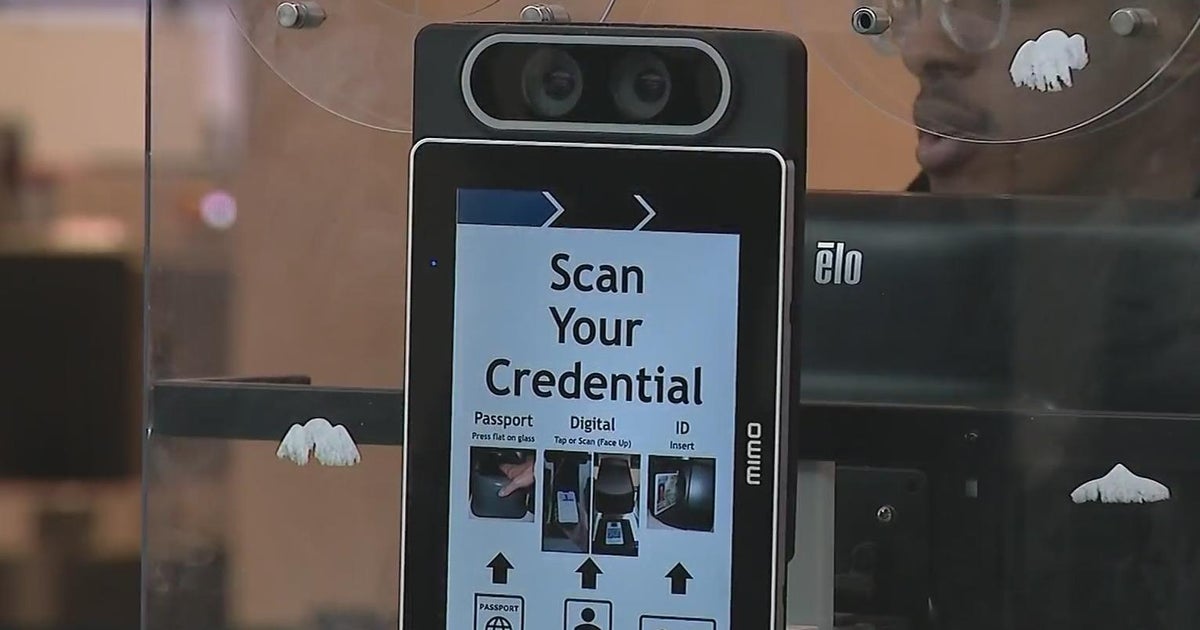
To understand the trajectory of these Facial Recognition Body Cameras Pilot initiatives, one must understand the “how” behind the “what.”
Vendor Transparency Issues
A notable concern regarding the Edmonton pilot is the secrecy surrounding the software. Axon does not manufacture its own AI model for facial recognition; it licenses the technology from a third-party vendor. However, both Axon and the EPS have declined to name the vendor . This lack of transparency makes independent verification of the algorithm’s bias and error rates impossible for external watchdogs.
Operational Limitations
-
Edmonton: The trial is limited to daylight hours only. Superintendent Martin candidly admitted that lighting conditions and cold temperatures are significant variables being tested . Officers must switch their cameras to a higher-resolution, “active” mode when responding to a call; the system is not designed to passively scan crowds indiscriminately .
-
London: The Croydon cameras are permanent fixtures, but they remain dormant unless officers are actively conducting a deployment in the area. Biometric data of non-matches is programmed to be “immediately and permanently deleted” . The system is sophisticated enough to identify individuals even if they are wearing baseball caps, beanies, or balaclavas .
Public Opinion: The Divide Between Citizens and Activists
Interestingly, there is a noticeable gap between the opinions of vocal privacy advocacy groups and the general public surveyed in the pilot zones.
The Business Perspective
In Croydon, Jose Joseph, Chair of the Croydon Business Association, has called for the scheme to be expanded. His rationale is pragmatic: businesses are suffering due to theft and violence. He argues that public spaces are already saturated with CCTV cameras in supermarkets and train stations; the LFR cameras simply add an automated layer of analysis to existing surveillance .
The Man on the Street
Interviews conducted on the streets of Croydon revealed a utilitarian acceptance of the technology. Residents like Bright Dankwa and Innis Looby expressed indifference regarding privacy, with Looby finding the privacy concerns ironic given the amount of personal data citizens voluntarily upload to the internet and social media platforms daily .
The Dissenting Voice
Conversely, residents like Lance Payne articulated the concerns of the skeptics. Payne stated that while he isn’t currently worried about being watched, he fears a “mission creep” scenario. Without legislation, he worries about how the government might use the accumulated data in the future, and reiterated concerns regarding the accuracy of the tech on darker skin tones .
The Future: Legislation and Oversight
As these pilots conclude, the data collected will inform major policy decisions in 2026 and beyond.
Edmonton’s Path Forward
The EPS proof of concept is scheduled to conclude in December 2025. The results will be reviewed by the Edmonton Police Commission and the Chief’s Committee. A decision regarding further testing is expected in 2026 . If Edmonton deems the technology a success, it could open the floodgates for Axon to market the system to other Canadian forces, including the Royal Canadian Mounted Police (RCMP), who recently selected Axon as their body camera vendor .
The UK Consultation
In the UK, the government’s consultation seeks to answer the most pressing question: Who regulates the regulator? Proposals include the creation of a specific biometrics and surveillance regulator with statutory powers. This would remove the current system where police forces rely on a patchwork of common law and data protection acts .
Recommendations for Responsible Implementation
Based on the successes and failures observed in Edmonton and London, the following framework is essential for the ethical expansion of FRT:
A. Governance and Transparency
-
Legislative Mandate: Governments must pass specific statutes authorizing the use of LFR rather than relying on general police powers. The public, via Parliament or Congress, must vote on the acceptable boundaries.
-
Vendor Disclosure: Police forces must publicly disclose which third-party AI vendor they are using to allow for independent security and bias auditing.
-
Public Notice: Deployments must be announced in advance with clear signage and QR codes (as seen in London Bridge) to allow the public to opt-out by avoiding the area .
B. Technical and Operational Safeguards
-
Watchlist Calibration: Watchlists must be limited to individuals suspected of serious, violent, or high-harm offences (murder, rape, kidnapping). The Edmonton model of flagging “assaultive” individuals is specific, whereas broader watchlists risk over-capture.
-
Human Validation: The “human-in-the-loop” model must be non-negotiable. An officer must visually verify the match and have the discretion to disregard false positives.
-
Strict Data Retention: Biometric data of non-matches must be deleted instantly at the point of capture, not merely at the end of the shift. This prevents the creation of a de facto mass surveillance database.
C. Oversight and Accountability
-
Independent Auditing: Annual bias audits must be conducted by independent national laboratories (such as the UK’s NPL) and the results made public.
-
Privacy Commissioner Approval: As argued by Commissioner McLeod in Alberta, no pilot should commence without the final, written approval of the relevant privacy authority . The “submit but ignore” legal interpretation is damaging to public trust.
Conclusion
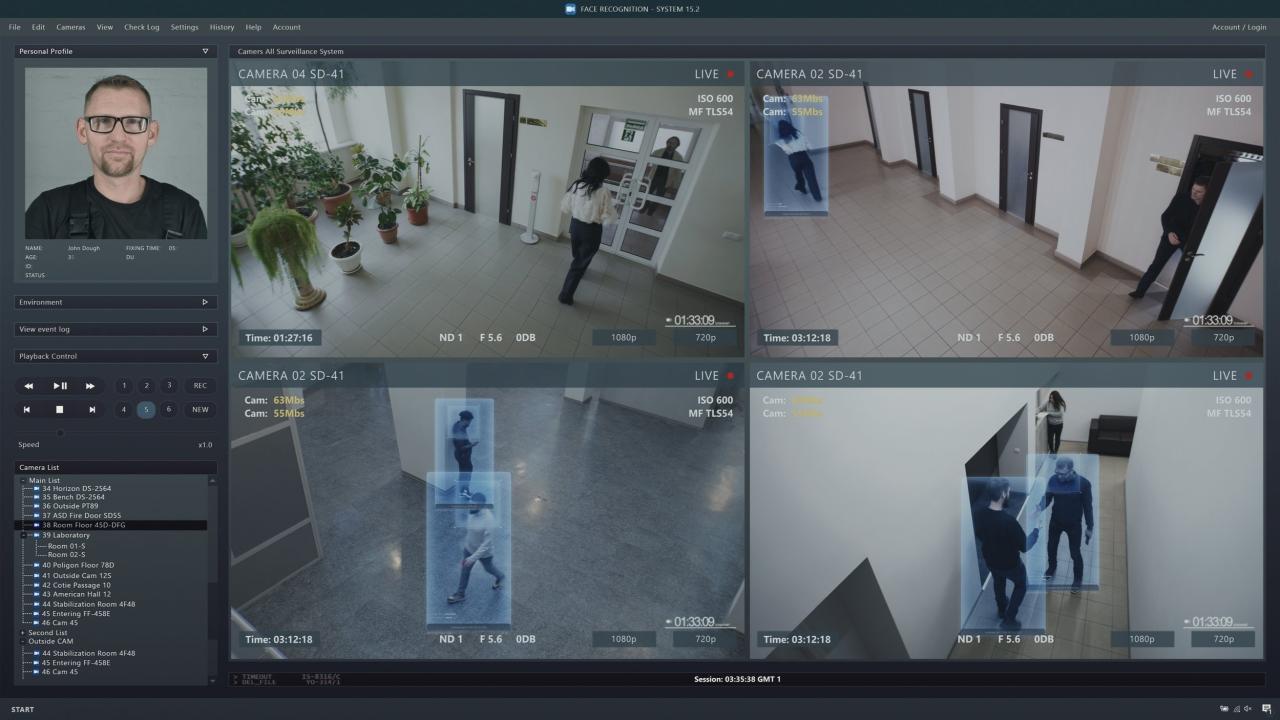
The Facial Recognition Body Cameras Pilot programs in Edmonton and London represent more than just technological upgrades; they are sociological experiments testing the limits of privacy in the digital age. Edmonton serves as the cautious scientist, running background checks in the winter snow to verify accuracy before committing. London serves as the aggressive early adopter, reaping the law enforcement benefits 103 arrests, a fugitive caught after two decades while defending against a barrage of High Court challenges.
The data is clear: the technology works in finding wanted individuals. The question is whether democratic societies are willing to accept the collateral damage of that efficiency. The bias, the legal gray areas, and the “chilling effect” on public freedom are significant costs. As 2026 begins, the world watches Edmonton and Croydon not just as pilot cities, but as precedents. The decisions made by the courts and the privacy commissioners in the coming months will determine whether AI-powered surveillance remains a targeted scalpel or becomes a ubiquitous blanket covering us all.