The digital landscape is undergoing a radical transformation. What was once science fiction is now a tangible reality: artificial intelligence agents are actively completing purchases on behalf of humans. This is not merely automation; it is autonomous decision-making in financial transactions. As AI agents evolve from simple chatbots into sophisticated digital entities capable of executing complex tasks, they are reshaping the very foundation of e-commerce, digital marketing, and consumer behavior.
This comprehensive article explores how AI agents are completing purchases, the technology behind them, their implications for businesses and consumers, and what the future holds for autonomous commerce.
Understanding AI Agents in E-Commerce
Artificial Intelligence agents, often referred to as intelligent agents or autonomous systems, are software programs designed to perceive their environment, process information, and take action to achieve specific goals. In the context of e-commerce, these agents are now capable of performing end-to-end purchasing tasks.
What Makes an AI Agent “Autonomous”?
Autonomy in AI refers to the ability to operate without direct human intervention. When an AI agent completes a purchase, it does not merely follow rigid, pre-programmed instructions. Instead, it analyzes real-time data, evaluates multiple variables, makes decisions based on logic and learning, and executes transactions securely.
Key characteristics of AI purchasing agents include:
-
Perception: Gathering data from websites, APIs, user preferences, and past behaviors.
-
Reasoning: Using algorithms to determine the best product, price, and timing.
-
Action: Interfacing with payment gateways, filling cart details, and confirming orders.
-
Learning: Improving future decisions based on outcomes and feedback loops.
How AI Agents Complete Purchases: The Technical Breakdown
The process of an AI agent completing a purchase is far more sophisticated than a simple macro script. It involves multiple layers of artificial intelligence, including natural language processing, machine learning, computer vision, and robotic process automation.
A. Data Collection and User Profiling
Before any purchase occurs, the AI agent must understand the user’s needs. This begins with data aggregation. The agent scans the user’s browsing history, wish lists, previous purchases, and even social media activity. It also considers contextual data such as location, time of day, and device type.
B. Product Discovery and Comparison
Once the intent is established, the AI agent scouts multiple e-commerce platforms. It uses web scraping techniques, API integrations, and real-time price tracking. Advanced agents employ computer vision to analyze product images and natural language processing to read reviews and specifications.
C. Decision Making and Optimization
The agent does not simply choose the cheapest option. It evaluates:
-
Price competitiveness
-
Shipping speed and cost
-
Seller reputation and return policy
-
Product availability
-
Compatibility with existing user ecosystems
Some AI agents are programmed with budget constraints or sustainability preferences, such as prioritizing eco-friendly packaging or carbon-neutral shipping.
D. Checkout Execution
This is the most critical phase. The AI agent autonomously fills out billing and shipping information, applies discount codes, selects payment methods, and confirms the order. This requires integration with payment processors and often involves tokenized payment credentials to ensure security.
E. Post-Purchase Management
After the transaction, the agent tracks the shipment, updates the user on delivery status, and even initiates returns or exchanges if necessary. Some agents also leave reviews or provide feedback to sellers.
Real-World Applications of AI Purchase Agents
AI agents are not theoretical; they are already being deployed across multiple industries. Below are concrete examples of how autonomous purchasing is currently functioning.
1. Smart Refrigeration and Grocery Restocking
Modern smart refrigerators equipped with internal cameras and weight sensors can detect when milk, eggs, or vegetables are running low. These appliances, connected to AI agents, automatically place orders with local grocery partners. The entire process from detection to delivery scheduling is handled without human input.
2. Automated Inventory Replenishment for Businesses
Small and medium enterprises are using AI purchasing agents to manage office supplies, raw materials, or retail stock. The agent monitors inventory levels in real time, forecasts demand based on historical data, and places orders with suppliers when thresholds are crossed.
3. AI Shopping Assistants
E-commerce platforms like Amazon and Alibaba have integrated AI agents that act as personal shoppers. Users can instruct the agent via voice or text: “Buy me a winter coat under $150.” The agent searches, filters, selects, and purchases the coat, notifying the user only after the transaction is complete.
4. Cryptocurrency and NFT Purchases
In the Web3 space, AI agents are being programmed to acquire digital assets. They monitor blockchain marketplaces, analyze floor prices, and execute purchases of non-fungible tokens or cryptocurrencies based on algorithmic strategies.
5. Travel and Hospitality Booking
AI travel agents now go beyond searching for flights and hotels. They can complete bookings, select seat preferences, arrange travel insurance, and even book restaurant reservations at the destination—all autonomously.
The Technology Stack Behind Autonomous Purchasing
To fully grasp how AI agents complete purchases, one must examine the underlying technologies that enable this capability.
A. Machine Learning and Predictive Analytics
Machine learning models analyze user behavior to predict when a purchase is needed. For example, if a user buys coffee beans every three weeks, the AI learns this pattern and initiates the purchase preemptively.
B. Natural Language Processing
NLP allows AI agents to interpret conversational commands. Instead of navigating menus, users can say, “Order my usual pizza for 7 PM,” and the agent understands, translates, and executes.
C. Robotic Process Automation
RPA enables AI agents to mimic human interactions with websites. They can click buttons, fill forms, and navigate checkout flows exactly as a human would, but at machine speed.
D. Application Programming Interfaces
APIs are the backbone of autonomous transactions. Direct integrations with payment gateways, shipping carriers, and inventory systems allow AI agents to bypass manual web browsing and execute transactions via secure backend channels.
E. Blockchain and Smart Contracts
Decentralized AI agents use smart contracts to execute purchases trustlessly. Funds are released only when conditions are met, such as verified delivery or digital ownership transfer.
Benefits of AI-Driven Purchasing

The shift toward autonomous purchasing is not merely a convenience; it offers substantial advantages to both consumers and businesses.
For Consumers:
-
Time Efficiency: No more browsing, comparing, or checkout queues. The AI handles everything in seconds.
-
Personalization: Purchases are tailored to individual preferences, dietary restrictions, style choices, and budget limits.
-
Cost Savings: AI agents continuously monitor for discounts, flash sales, and coupon codes that humans might miss.
-
Reduced Decision Fatigue: By offloading routine purchases, users conserve mental energy for higher-value decisions.
For Businesses:
-
Higher Conversion Rates: AI agents reduce cart abandonment by automating the checkout process.
-
Customer Retention: Seamless reordering increases customer lifetime value and brand loyalty.
-
Data Insights: Businesses gain access to granular data on purchasing patterns, enabling better inventory and marketing strategies.
-
Operational Efficiency: Automated procurement reduces administrative overhead and human error.
Challenges and Ethical Considerations
Despite the clear benefits, the rise of AI agents completing purchases introduces significant challenges that must be addressed.
1. Security and Fraud Risks
If an AI agent is compromised, malicious actors could initiate unauthorized transactions. Ensuring robust authentication, encryption, and anomaly detection is critical.
2. Data Privacy
AI agents require access to personal, financial, and behavioral data. Consumers must trust that this data is not misused or exposed. Regulatory frameworks like GDPR and CCPA are essential but must evolve alongside AI capabilities.
3. Accountability
When an AI agent makes a poor purchase wrong size, defective product, overcharge who is responsible? The user, the developer, or the platform? Clear legal frameworks are needed.
4. Job Displacement
As AI agents replace human roles in procurement, customer service, and retail, workforce displacement is inevitable. Reskilling and education must accompany technological advancement.
5. Algorithmic Bias
AI agents learn from historical data. If that data contains bias racial, economic, or gender-based the agent may perpetuate discrimination in purchasing opportunities or credit access.
SEO Optimization Strategy for AI Commerce Content
For publishers and e-commerce businesses, the rise of AI purchasing agents also changes the game of search engine optimization. Content must now cater not only to human readers but also to AI agents that crawl, interpret, and act upon digital information.
Key SEO Considerations for the AI Era:
-
Structured Data Markup: Schema.org vocabulary helps AI agents understand product details, prices, availability, and reviews. This enables direct purchasing from search results.
-
Conversational Keywords: As voice and AI-driven searches rise, content must include natural language phrases and question-based queries.
-
Mobile Optimization: AI agents often operate via mobile interfaces. Fast-loading, responsive websites are prioritized.
-
Trust Signals: AI agents may be programmed to avoid websites with poor security certificates, low domain authority, or excessive pop-ups.
-
API Accessibility: Forward-thinking businesses are creating APIs specifically for AI agents, allowing direct machine-to-machine transactions without traditional web browsing.
The Future of AI Agents in Commerce
The trajectory is clear: AI agents will not only complete purchases but will eventually manage entire household economies, corporate supply chains, and investment portfolios.
Predictions for the Next Decade:
-
AI-to-AI Commerce: Agents will negotiate and transact with other agents. Your refrigerator’s AI will communicate directly with the grocery store’s inventory AI.
-
Predictive Delivery: Products will arrive before the user realizes they need them, based on predictive analytics and pre-authorized spending limits.
-
Universal Shopping Profiles: Consumers will maintain a single AI profile containing preferences, payment details, and shipping addresses, usable across all platforms.
-
Regulatory Evolution: Governments will introduce “AI Commerce Acts” to govern autonomous transactions, liability, and data rights.
-
Ethical AI Certification: Third-party organizations will certify AI agents as fair, transparent, and unbiased, similar to fair trade certifications today.
Conclusion
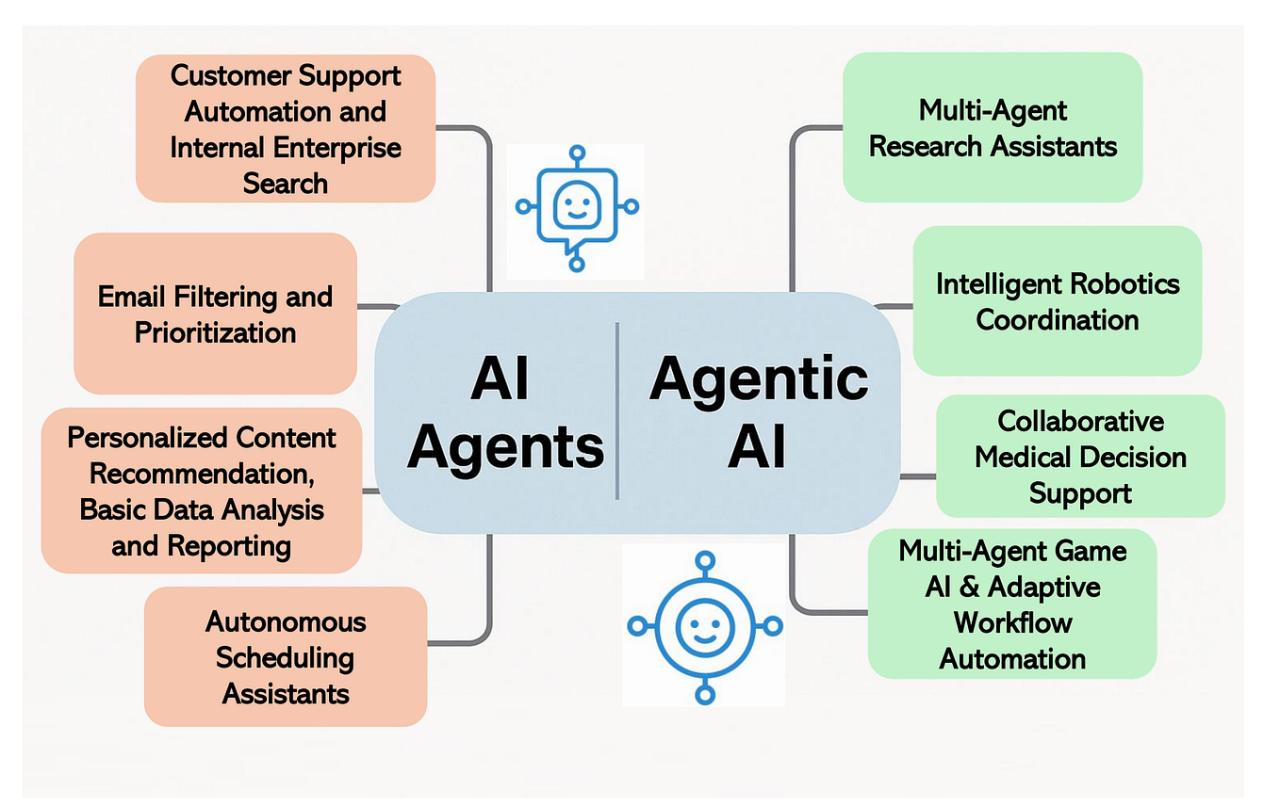
The era of AI agents completing purchases is no longer emerging; it has arrived. From smart appliances ordering groceries to business bots managing supply chains, autonomous purchasing is redefining the relationship between consumers, technology, and commerce. While challenges around security, privacy, and ethics remain, the potential for efficiency, personalization, and innovation is immense.
Businesses that adapt to this new paradigm by optimizing for AI agents, embracing automation, and prioritizing trustworthy systems will thrive. Consumers who understand and responsibly adopt these tools will enjoy unprecedented convenience and control.
As we stand at this crossroads, one thing is certain: the future of shopping is not just online. It is autonomous. It is intelligent. And it is already here.