
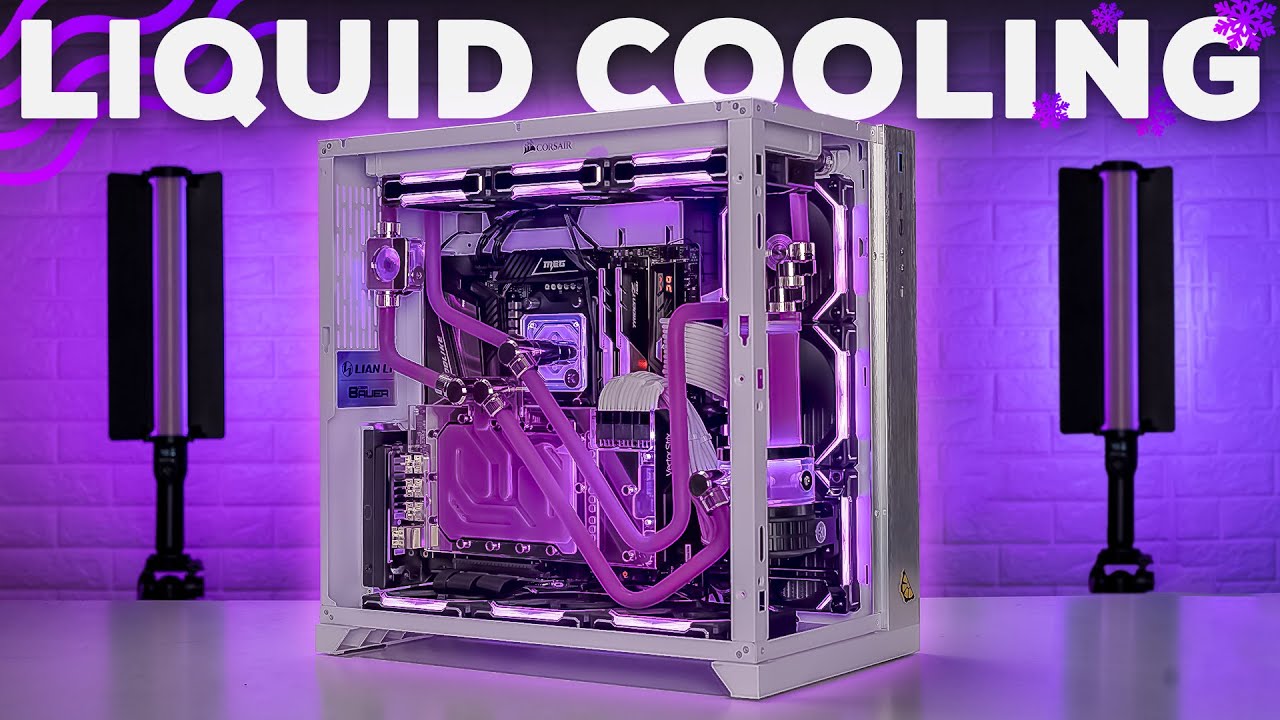
The heating, ventilation, and air conditioning industry witnessed a landmark strategic shift this week as Trane Technologies plc formally announced its definitive agreement to acquire LiquidStack, a Carrollton, Texas-based pioneer in advanced liquid cooling technologies for data centers . This transaction, slated for closure in early 2026, represents far more than a routine portfolio expansion. It signals the irreversible industrial ascendancy of liquid thermal management as the foundational non-negotiable infrastructure for artificial intelligence, hyperscale computing, and high-performance workload processing .
Building upon an initial minority investment established in 2023, Trane Technologies is now moving to fully integrate LiquidStack’s specialized direct-to-chip and immersion cooling capabilities into its Commercial HVAC business unit . While financial specifics remain undisclosed, the acquisition includes LiquidStack’s global workforce, its manufacturing and engineering facilities in Texas and Hong Kong, and the leadership of co-founder and CEO Joe Capes, who will continue steering the LiquidStack organization within the Trane corporate structure .
This transaction arrives amidst a perfect storm of technological necessity, regulatory pressure, and exponential market expansion. Traditional air-based cooling architectures, which have served data centers faithfully for decades, are now colliding with the brutal physics of next-generation silicon. This article examines the acquisition’s strategic rationale, the technological portfolio at its center, the explosive market context driving its urgency, and the profound implications for data center operators, hyperscalers, and the broader thermal management ecosystem.
The Strategic Imperative: Why Traditional Cooling Reached Its Tipping Point
For much of data center history, thermal management was an afterthought a utility function relegated to raised floors and computer room air conditioning units. That era has ended abruptly. The convergence of generative artificial intelligence, large language model training, and hyperscale virtualization has produced processors with thermal density profiles that air moving systems simply cannot tame .
Contemporary graphics processing units and accelerated computing platforms now routinely generate thermal design power figures exceeding those of their central processing unit predecessors by an order of magnitude. Rack densities that hovered between five and fifteen kilowatts a decade ago now regularly exceed sixty kilowatts in AI-optimized configurations, with next-generation platforms approaching one hundred forty kilowatts per rack . Air, with its poor specific heat capacity and low thermal conductivity, becomes effectively useless at these densities. Moving sufficient air volume to cool such configurations requires fan power so immense that it defeats the purpose of efficiency altogether.
Holly Paeper, President of Commercial HVAC Americas at Trane Technologies, articulated this inflection point succinctly in the acquisition announcement. She noted that rising chip-level power and heat densities, combined with increasingly variable workload patterns, are fundamentally redefining thermal management requirements inside modern data centers . The key phrase here is “variable workloads.” Unlike traditional batch processing or steady-state web serving, AI training jobs surge and recede violently, creating transient hot spots that air systems, with their high thermal inertia, cannot modulate effectively.
Liquid cooling addresses these challenges through fundamentally superior thermophysics. Water and dielectric fluids possess heat transfer coefficients orders of magnitude higher than air. They can capture heat at the source directly from the processor lid or by immersing the entire server and transport that thermal energy to rejection points with minimal intermediate energy expenditure . This is not merely an incremental improvement; it is a paradigm shift that rewrites the relationship between compute density and facility design.
LiquidStack’s Technological Arsenal: Direct-To-Chip and Immersion Mastery
LiquidStack did not emerge as a cooling vendor overnight. The company traces its origins to 2013, when it was founded as Allied Control, a firm deeply immersed in the engineering challenges of high-density heat extraction . Acquired by Bitfury Group in 2015 and subsequently spun out independently in 2021 with Series A backing from Wiwynn, LiquidStack spent years refining two distinct but complementary liquid cooling modalities that now form the backbone of its commercial portfolio .
Direct-To-Chip Cooling
Direct-to-chip cooling represents the most immediately deployable and widely adopted liquid cooling architecture in contemporary data centers. This approach involves mounting precision-machined cold plates directly atop high-heat components such as central processing units, graphics processing units, and high-bandwidth memory stacks. Coolant typically a treated water mixture or dielectric fluid circulates through micro-channel structures within the cold plate, capturing conducted heat before it can escape into the server chassis or ambient room air .
LiquidStack’s direct-to-chip implementations achieve thermal resistance figures as low as 0.01 to 0.05 degrees Celsius per watt, effectively neutralizing the thermal bottleneck that throttles processor performance in air-cooled environments . These systems capture approximately sixty to eighty percent of component heat at the source, dramatically reducing the load on facility-level air conditioning infrastructure. The residual heat that does escape into the server exhaust is modest enough to be managed by rear-door heat exchangers or reduced airflow rates .
What distinguishes LiquidStack in this crowded field is its emphasis on coolant distribution unit engineering and system-level integration. The company developed its own cooling distribution units that regulate flow rates, monitor coolant condition, and maintain pressure differentials across thousands of parallel cold plate circuits . This vertical integration ensures that component-level innovations translate into facility-wide reliability a critical consideration for operators managing service-level agreements measured in milliseconds.
Immersion Cooling
Where direct-to-chip cooling captures heat at the processor, immersion cooling eliminates the concept of air cooling entirely. Servers, power supplies, storage devices, and networking equipment are submerged in sealed tanks filled with dielectric fluid that is electrically non-conductive and chemically stable. Single-phase immersion systems maintain the fluid in liquid form throughout the heat transfer process, circulating it through heat exchangers for external rejection. Two-phase immersion systems leverage the latent heat of vaporization, allowing fluid to boil on component surfaces, rise as vapor, condense on cooled coils, and return as liquid in a continuous passive cycle .
LiquidStack’s two-phase immersion cooling has achieved notable commercial traction, with deployments at NTT and Standard Power validating its viability for production workloads beyond cryptocurrency mining, where immersion first gained foothold . The advantages extend beyond raw thermal capacity. Immersion cooling eliminates fans entirely, reducing facility power consumption by thirty to fifty percent and slashing acoustic noise. It enables rack densities exceeding one hundred fifty kilowatts while simultaneously reclaiming valuable floor space, as immersive tanks occupy significantly less footprint than equivalent air-cooled rows .
Perhaps most significantly for sustainability-conscious operators, immersion cooling elevates waste heat temperatures to ranges suitable for meaningful reuse. Fluid exiting immersion tanks often reaches forty-five to sixty degrees Celsius, temperatures sufficient for district heating networks, industrial process preheating, or absorption chilling . This transforms data centers from parasitic energy consumers into potential thermal energy contributors within circular economy frameworks.
The Market Context: Explosive Growth and Structural Transformation
The Trane-LiquidStack transaction cannot be understood in isolation. It represents a strategic response to market dynamics that are fundamentally reshaping the competitive landscape of data center infrastructure. By any available metric, the liquid cooling sector is experiencing hypergrowth that shows no signs of moderation.
Market Size Trajectories
Multiple authoritative research sources converge on a narrative of extraordinary expansion, though specific numerical estimates vary based on methodology and market definition. The Business Research Company, in its January 2026 report, valued the global data center liquid cooling market at approximately $5.1 billion in 2025, projecting expansion to $6.41 billion in 2026 a staggering 25.7 percent single-year growth rate . Looking toward the decade’s end, forecasts anticipate market volume reaching $16.16 billion by 2030, representing a five-year compound annual growth rate of twenty-six percent .
Global Market Insights offers a complementary perspective, estimating 2025 valuation at $4.8 billion and projecting $27.1 billion by 2035 at an eighteen-point-two percent compound annual growth rate . Meanwhile, 360iResearch’s analysis suggests the liquid cooling infrastructure products segment alone reached $7.28 billion in 2025 and will continue expanding at approximately five percent annually through 2032 .
These varying figures reflect different segmentation boundaries rather than fundamental disagreement. What unites all forecasts is the recognition that liquid cooling is transitioning decisively from niche experimentation to mainstream infrastructure procurement. This transition is driven by forces that show no sign of abating.
The Artificial Intelligence Combustion Engine
Artificial intelligence workloads are to liquid cooling what automotive transport was to petroleum refining the killer application that transforms a specialty product into essential infrastructure. Training large language models requires thousands of GPUs operating in tightly coupled parallel configurations for weeks at a time. The thermal density of these clusters is unprecedented and unmanageable by conventional means .
NVIDIA’s GB200 platform, representative of current-generation AI infrastructure, demands approximately one hundred forty kilowatts of liquid cooling capacity per rack . This is not a distant future scenario; these systems are shipping, being deployed, and consuming cooling capacity at massive scale today. The nine-month doubling cycle of compute power required to train cutting-edge models ensures that cooling requirements will accelerate along the same trajectory . Each successive generation of accelerator architecture will arrive with higher thermal density, shorter time-to-failure under inadequate cooling, and greater economic penalty for thermal throttling.
Oppenheimer analysts, who met with LiquidStack leadership at the Super Computing conference and came away with positive impressions, noted that the company had secured an order for three hundred megawatts worth of coolant distribution units as recently as January 2026 . Three hundred megawatts of cooling capacity represents multiple billion dollars of enabled compute infrastructure. This single data point illustrates the scale at which leading operators are now committing to liquid thermal architectures.
Regulatory and Sustainability Catalysts
Market pull from AI workloads is reinforced by regulatory push from governments and sustainability mandates from corporate stakeholders. The European Union Energy Efficiency Directive, Germany’s Energy Efficiency Act mandating power usage effectiveness of 1.3 or lower by 2027, and California’s evolving data center efficiency standards are creating hard deadlines for cooling infrastructure modernization .
Liquid cooling systems routinely achieve power usage effectiveness ratios between 1.05 and 1.15, substantially superior to the 1.4 to 1.8 range characteristic of even well-optimized air-cooled facilities . Each tenth-point improvement in power usage effectiveness at a hundred-megawatt facility translates into tens of millions of dollars in lifetime electricity cost avoidance and commensurate carbon emission reductions. For hyperscale operators with public net-zero commitments and shareholders scrutinizing operating expense ratios, the economic case for liquid cooling has become irresistible.
Water consumption adds another dimension of regulatory exposure. Evaporative cooling towers, common in air-cooled data centers, consume immense volumes of potable water. Closed-loop liquid cooling systems, particularly those operating at elevated coolant temperatures, dramatically reduce or eliminate evaporative losses . In water-stressed regions where data center development faces mounting opposition, liquid cooling offers a pathway to social license and regulatory approval that air cooling cannot provide.
Integration Strategy: From Component Supplier to End-To-End Solution Provider
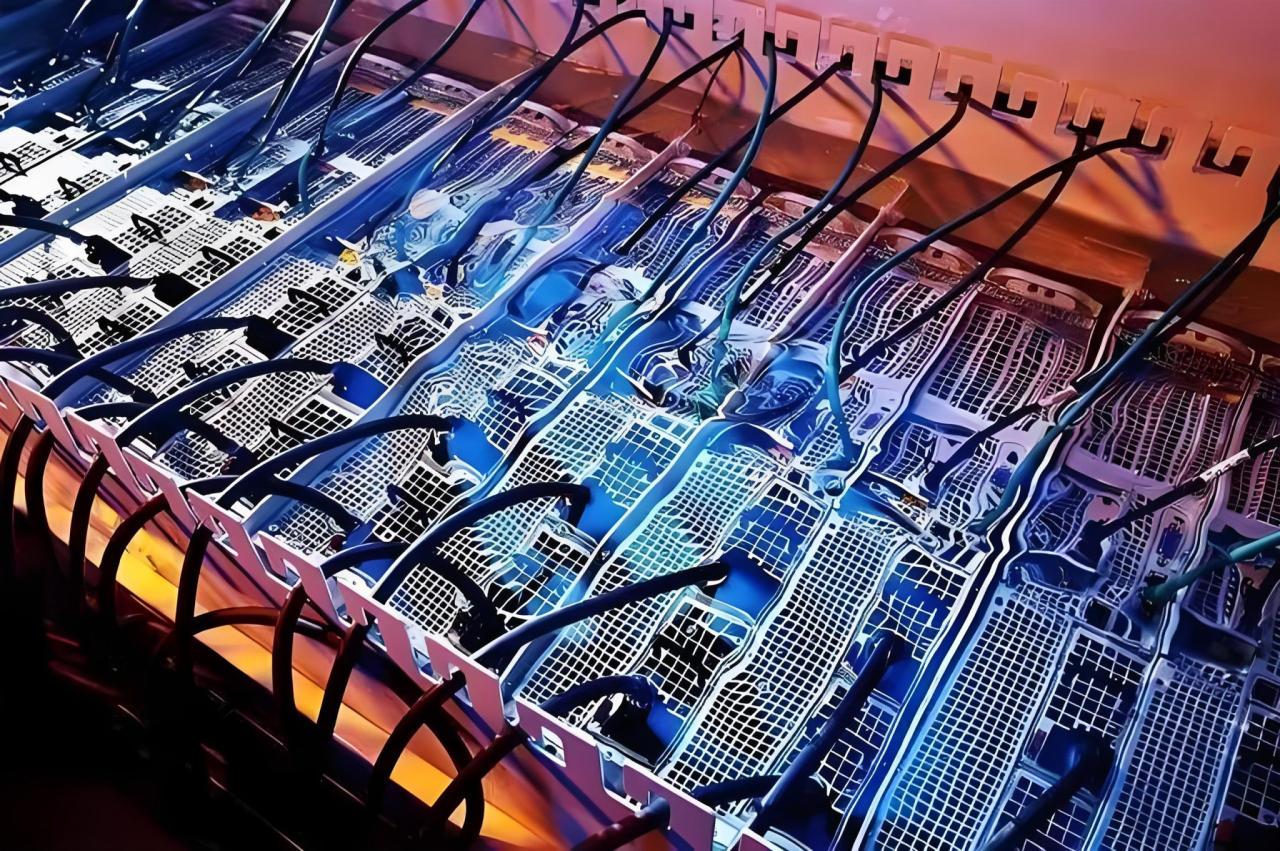
Trane Technologies has long been associated with commercial heating, ventilation, and air conditioning equipment chillers, air handlers, rooftop units, and controls. The company possesses formidable engineering capabilities, global manufacturing footprint, and established relationships with mechanical contractors and engineering firms worldwide. What Trane historically lacked was direct thermal interface with the silicon itself .
LiquidStack provides that interface. The acquisition bridges the gap between facility-level cooling plant and chip-level heat sources, enabling Trane to offer integrated thermal solutions that span the entire pathway from processor junction to ambient heat rejection. This end-to-end capability is precisely what hyperscale operators and large colocation providers increasingly demand .
Holly Paeper emphasized this integrated value proposition explicitly, stating that customers need cooling solutions scaling from the central plant to the chip that can adapt as performance demands evolve . The combination of LiquidStack’s direct-to-chip and immersion capabilities with Trane’s systems expertise and global footprint creates the industry’s most comprehensive thermal management portfolio.
This integration strategy extends beyond mere product bundling. Trane gains ownership of LiquidStack’s intellectual property, including cold plate geometries, fluid distribution architectures, and control algorithms refined through years of production deployment . The company also acquires deep engineering talent familiar with the unique challenges of dielectric fluid handling, two-phase thermodynamics, and high-density thermal interface management. Joe Capes’ continued leadership ensures retention of this specialized knowledge and cultural continuity within the acquired organization .
The acquisition follows Trane’s recently announced agreement to acquire Stellar Energy, a provider of turnkey liquid-to-chip data center cooling solutions . Together, these transactions reveal a coherent strategic thesis: Trane is systematically assembling the technological building blocks required to compete as a primary infrastructure provider for next-generation data center development programs, not merely a supplier of commoditized components.
Competitive Landscape Reshaped
The liquid cooling supply chain has historically been fragmented among component specialists, fluid chemists, pump manufacturers, and system integrators. No single vendor offered comprehensive coverage from chip interface to heat rejection while also possessing the balance sheet and service network required for global hyperscale deployments. This fragmentation created integration risk for operators, who were forced to assume responsibility for stitching together disparate technologies from multiple vendors .
Trane’s acquisition of LiquidStack represents a decisive move toward consolidation and vertical integration. It positions Trane to compete directly with established data center infrastructure incumbents including Vertiv, Schneider Electric, Rittal, and Stulz, each of which has been strengthening its own liquid cooling capabilities through internal development and strategic acquisitions .
Vertiv, currently holding approximately eleven percent market share, competes on breadth and global execution capability, offering liquid cooling solutions that scale from rack-level to facility-level while maintaining close alignment with GPU and server platform roadmaps . Schneider Electric differentiates through integration of liquid cooling with power management, software, and energy optimization, leveraging deep relationships with hyperscale designers and sustainability consultants . Rittal emphasizes industrialized, modular systems designed for repeatable performance and predictable scaling .
Trane’s entry into this competitive set, armed with LiquidStack’s proven technology and its own century of HVAC engineering heritage, raises the stakes considerably. The company possesses advantages that pure-play liquid cooling specialists cannot match: existing relationships with mechanical contractors who will install and service this equipment, global parts distribution networks, and balance sheet capacity to offer project financing or cooling-as-a-service commercial models .
Implementation Considerations for Data Center Operators
For data center operators and enterprise infrastructure teams evaluating their own liquid cooling adoption pathways, the Trane-LiquidStack transaction carries actionable implications. It signals that liquid cooling has moved firmly into the mainstream of infrastructure procurement and that strategic supplier selection now carries multi-year architectural consequences.
Phased Adoption Strategy
Industry analysts and technology providers concur that successful liquid cooling implementation follows a disciplined, risk-mitigated trajectory rather than wholesale rip-and-replace conversion . Leaders should consider approaching adoption through the following structured phases:
A. Workload Profiling and Density Projection. Begin by quantifying current and anticipated thermal density requirements across specific workload categories. Artificial intelligence training clusters may justify immediate liquid deployment, while traditional virtualization workloads may remain air-coolable for several hardware generations. Project density trajectories based on server refresh cycles and anticipated accelerator adoption.
B. Pilot Deployment and Performance Validation. Commit to small-scale pilot installations using representative hardware and workloads. Measure thermal performance, energy consumption, and operational reliability under controlled conditions. Validate coolant chemistry stability, leak detection sensitivity, and integration with existing monitoring systems.
C. Vendor Qualification and Supply Chain Assessment. Conduct thorough due diligence on prospective cooling vendors, evaluating not only technical specifications but also manufacturing capacity, global service footprint, component sourcing resilience, and intellectual property position. Negotiate service-level agreements with clear performance metrics and remedy provisions.
D. Cross-Functional Operational Readiness. Develop training programs bridging facilities engineering and information technology teams. Establish protocols for coolant quality monitoring, pump maintenance, filter replacement, and thermal performance validation. Integrate liquid cooling telemetry into existing data center infrastructure management platforms.
E. Scaled Deployment and Continuous Optimization. Execute staged deployment across qualified zones, maintaining parallel air-cooled capacity for workloads not yet migrated. Implement continuous improvement processes capturing operational experience and incorporating evolving industry standards.
Retrofit Realities
While new facility construction offers the cleanest slate for liquid cooling integration, the majority of data center capacity in service today resides in existing buildings that must continue operating during transition. Retrofit deployments present unique challenges requiring modular solutions, minimized downtime, and compatibility with legacy electrical and spatial constraints .
Rear-door heat exchangers offer compelling retrofit pathways, enabling significant rack density increases without server modification or facility plumbing disruption. Direct-to-chip retrofits require more extensive intervention but remain feasible through phased aisle conversions and temporary workload migration. Immersion retrofits demand the most substantial facility modifications but deliver correspondingly greater density and efficiency benefits.
Operators should evaluate retrofit strategies based on remaining facility lifespan, anticipated workload growth, and capital availability. Facilities nearing end-of-life may justify minimal intervention strategies, while those with multi-decade operating horizons warrant more aggressive modernization investment.
The Geopolitical and Supply Chain Dimension
The liquid cooling supply chain, once a matter of straightforward component sourcing, has become entangled in broader geopolitical currents affecting technology industries globally. The January 2026 implementation of new United States tariff measures on imported mechanical components has introduced cost volatility and procurement uncertainty that ripple through the entire cooling ecosystem .
Pumps, heat exchangers, precision-machined cold plates, manifolds, and specialized valves the essential building blocks of liquid cooling infrastructure face variable tariff exposure depending on country of origin, classification, and applicable exclusions. Engineering teams must now incorporate tariff scenario analysis into product design decisions, evaluating trade-offs between optimal thermal performance and supply chain resilience .
Trane Technologies, with its substantial North American manufacturing footprint and established global sourcing organization, is comparatively well-positioned to navigate this complexity. The company can leverage its existing supplier relationships and production capacity to insulate LiquidStack’s operations from the worst tariff-induced disruptions. This supply chain durability represents an underappreciated competitive advantage that may prove decisive as procurement cycles extend and price stability becomes a differentiator .
The tariff environment is simultaneously accelerating regionalization of cooling component manufacturing. Vendors capable of demonstrating domestic production capacity or flexible contract manufacturing arrangements increasingly win preference in hyperscale procurement evaluations. This trend favors established industrial firms with manufacturing heritage over pure-play specialists reliant on extended global supply chains.
Future Trajectories: Standardization and Service Models
As liquid cooling transitions from early adoption to mainstream deployment, the industry faces critical maturation challenges around standardization, interoperability, and commercial model innovation. These factors will substantially influence adoption velocity and competitive dynamics through the forecast period.
Standardization Momentum
Industry consortia including the Open Compute Project’s Advanced Cooling Solutions subproject and ASHRAE’s Liquid Cooling Technical Committee are actively developing reference designs, safety protocols, and performance testing guidelines for liquid cooling systems . These standardization efforts reduce implementation complexity, enable multi-vendor interoperability, and provide risk-averse enterprise operators with validated approaches validated by peer organizations.
Standardization also expands the addressable ecosystem of component suppliers and service providers. When cooling distribution units conform to published interface specifications and fluid chemistries comply with industry-recognized classifications, operators gain procurement flexibility and reduce dependence on single vendors. Trane’s ownership of LiquidStack technology does not preclude participation in open standards development; indeed, the company has incentives to shape emerging specifications in ways compatible with its intellectual property portfolio.
Service Model Evolution
The operational complexity of liquid cooling, particularly at hyperscale deployment volumes, is giving rise to new commercial models that shift risk and responsibility from end users to specialized providers. Cooling-as-a-service offerings bundle capital equipment, installation, monitoring, maintenance, and performance guarantees into predictable operating expense streams .
These managed service propositions are particularly attractive to colocation providers and enterprise operators who possess deep expertise in IT service delivery but limited familiarity with fluid dynamics, corrosion chemistry, or pump maintenance. By transferring operational responsibility to cooling specialists, end users can deploy high-density capacity without commensurate expansion of facilities engineering headcount.
Trane’s extensive service organization, comprising thousands of field technicians deployed globally, positions the company favorably to deliver such managed cooling services at scale. The combination of LiquidStack’s specialized technology and Trane’s service infrastructure creates a formidable competitive barrier that pure-play cooling vendors cannot easily replicate.
Conclusion: An Inflection Point for Data Center Infrastructure
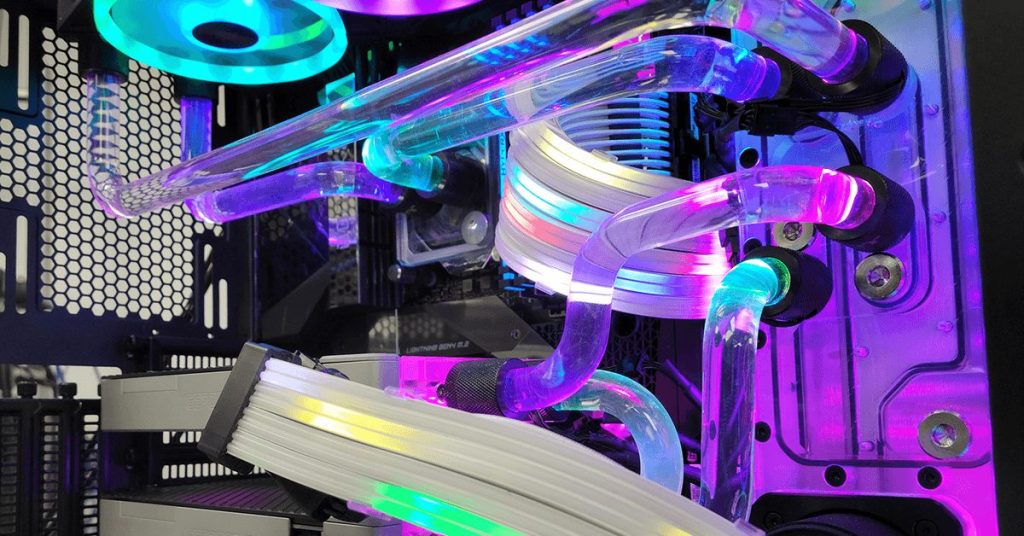
The acquisition of LiquidStack by Trane Technologies marks a definitive inflection point in the evolution of data center thermal management. It signals that liquid cooling has completed its transition from emerging technology to essential infrastructure, and that the competitive landscape will increasingly be defined by scale, integration capability, and service delivery breadth rather than component-level technical differentiation alone.
For the data center industry broadly, this transaction reinforces an uncomfortable but inescapable conclusion: the air-cooled paradigm that enabled four decades of uninterrupted digital expansion has reached its physical and economic limits. Future compute growth the artificial intelligence models, scientific simulations, and real-time analytics that will drive the next decade of innovation requires fundamentally different thermal architectures. Liquid cooling, in its various direct-to-chip and immersion manifestations, is no longer an optional enhancement for specialized niches. It is the foundational prerequisite for continued performance scaling.
Trane Technologies recognized this reality through its early investment in LiquidStack and now through full acquisition and integration. The company has placed a strategic bet that the convergence of silicon density, regulatory pressure, and sustainability imperatives will drive widespread liquid cooling adoption across hyperscale, colocation, enterprise, and edge computing segments. Available market data and technology trajectories suggest this bet is well-calibrated.
Joe Capes and his LiquidStack team now assume responsibility for scaling their pioneering technologies within one of the world’s largest HVAC organizations. Holly Paeper and her Trane colleagues must execute the complex integration work required to transform technical capability into commercial success. For data center operators, procurement professionals, and infrastructure strategists, the message is clear: the liquid future has arrived, and the time for decisive action is now.